
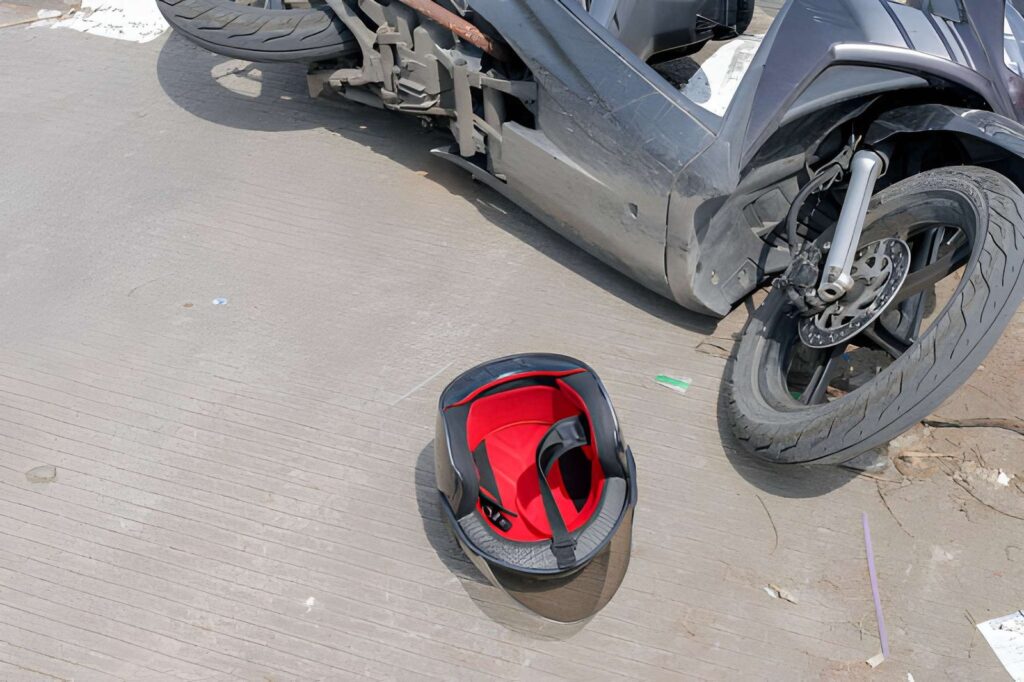
If you were injured in a motorbike accident, you may be thinking about claiming compensation. But before you start the legal process, one thing is very important:
Evidence.
Strong evidence can make your claim successful. Weak or missing evidence can reduce your compensation or even lead to rejection.
In this guide, you will learn what evidence you need for a motorbike accident compensation claim. Everything is explained in simple and clear language.
Why Evidence Is So Important
When you file a motorbike accident claim, you must prove three things:
- The accident happened.
- The other party was at fault (fully or partly).
- You suffered injuries and financial loss.
Without proper proof, insurance companies may deny responsibility. They may argue that:
- The accident was your fault.
- Your injuries are not serious.
- Your injuries were not caused by the accident.
That is why collecting the right evidence is critical.
1. Photos and Videos from the Accident Scene
Photos are powerful evidence.
If possible, take pictures of:
- Your motorbike damage
- The other vehicle
- Road conditions
- Skid marks
- Traffic signs
- Weather conditions
- Your visible injuries
Video footage is even stronger.
If there were CCTV cameras nearby, your solicitor may request the footage. Many roads and shops have cameras that record accidents.
The sooner you collect this, the better. Some CCTV recordings are deleted after a few days.
2. Contact Details of Witnesses
Witness statements can strongly support your claim.
If someone saw the accident, ask for:
- Full name
- Phone number
- Address
Independent witnesses are very helpful. They are not related to you or the other driver.
If the other driver denies fault, a witness can confirm what really happened.
Your solicitor will later contact them for an official statement.
3. Police Report
If the police attended the accident, they will create an official report.
This report may include:
- Date and time of accident
- Location
- Names of drivers
- Initial opinion on fault
- Road and weather details
You should ask for the police reference number.
In the UK, police reports are important documents in serious road traffic accident claims.
4. Medical Records
Medical evidence is one of the most important parts of your claim.
Even if your injuries seem small, always visit a doctor after an accident.
Medical records show:
- Type of injury
- Severity
- Treatment required
- Recovery time
- Long-term impact
Without medical proof, insurance companies may say your injuries are not related to the accident.
Later in the process, you may attend an independent medical examination arranged by your solicitor.
5. Photographs of Your Injuries
Take clear pictures of:
- Cuts
- Bruises
- Swelling
- Fractures (if visible)
Take photos immediately after the accident. Then take more during recovery.
This helps show how serious your injuries were and how long they lasted.
6. Repair Estimates and Damage Reports
To claim for motorbike damage, you need proof of repair costs.
Keep:
- Repair quotes
- Garage invoices
- Replacement receipts
- Photos of damage
If your bike is written off, you may need a valuation report.
This evidence helps calculate property damage compensation.
7. Proof of Financial Loss
Motorbike accident compensation is not only about injury. It also covers financial losses.
You can claim for:
- Loss of earnings
- Medical expenses
- Travel costs
- Rehabilitation
- Care support
Keep documents such as:
- Payslips
- Bank statements
- Employer letters
- Medical bills
- Taxi receipts
If you are self-employed, provide tax returns and business records.
8. Helmet and Protective Gear Evidence
If your helmet or protective clothing was damaged, keep them.
Do not throw them away.
They may prove:
- The force of impact
- The seriousness of the crash
- That you were riding responsibly
This can be useful if the other party argues contributory negligence.
9. Accident Report to Insurance Company
You must inform your insurer about the accident.
Even if you are not claiming through your insurance, reporting the accident creates a record.
Keep copies of:
- Claim reference number
- Emails
- Letters
- Communication with insurers
This documentation helps show that you acted responsibly.
10. Dashcam or Helmet Cam Footage
Many riders now use helmet cameras or dashcams.
If you have footage, it can be very strong evidence.
It may clearly show:
- The moment of impact
- Speed of vehicles
- Traffic signals
- Road position
This type of evidence can quickly settle disputes.
11. Timeline Notes
After the accident, write down everything you remember.
Include:
- What happened before the crash
- How the accident occurred
- What the other driver said
- What witnesses said
Memories fade quickly. Writing details early can protect your case later.
What Happens If You Do Not Have Strong Evidence?
Do not panic.
A solicitor can still help collect evidence such as:
- CCTV footage
- Police reports
- Medical expert opinions
- Accident reconstruction reports
However, it is always better if you collect as much evidence as possible at the scene.
How Evidence Affects Compensation Amount
Strong evidence can:
- Prove full liability
- Increase your compensation
- Speed up settlement
- Prevent disputes
Weak evidence may:
- Reduce your payout
- Lead to shared fault
- Delay the case
Insurance companies carefully examine every detail.
That is why professional legal support is important.
Time Limits for Collecting Evidence
In the UK, most personal injury claims must be made within three years from the date of the accident.
However, evidence should be collected immediately.
CCTV can be deleted.
Witnesses may forget details.
Physical damage may be repaired.
The sooner you act, the stronger your case.
Final Thoughts
A successful motorbike accident compensation claim depends heavily on evidence.
You should collect:
- Photos and videos
- Witness details
- Police reports
- Medical records
- Repair invoices
- Proof of financial loss
Each piece of evidence strengthens your case.
If you are unsure, speak to a specialist motorbike accident solicitor as soon as possible.
Strong documentation can make the difference between a rejected claim and fair compensation.