

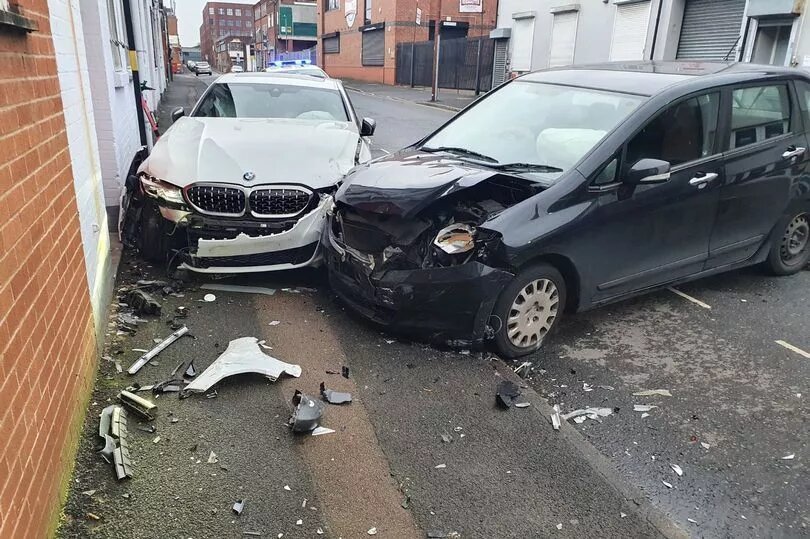
When an accident wasn’t your fault, what happens next is mostly phone calls and paperwork: you report it to your own insurer without having to claim on your policy, the claim for your car goes against the other driver’s insurer, and you’re entitled to a replacement vehicle while yours is off the road if you need one, with the hire and the repair recovered from their insurer. National Accident Support Line handles that part for drivers, including claiming for the car against the driver who hit you, so you aren’t fielding every call yourself.
The day of the crash is usually the easy part. It’s the next few days that confuse people. Your insurer rings, then the other driver’s insurer rings offering to fix your car and lend you one, then a company you’ve never heard of, and each tells you something slightly different. Meanwhile you’re wondering about your excess, your no-claims and how you’ll get to work on Monday. This guide takes those questions in the order they turn up.
No excess to pay if the accident wasn’t your fault. Fill in our form and we’ll call you back within 2 minutes.
Who rings you in the first few days, and who they work for
Expect at least two calls, sometimes more. Before you agree to anything, know whose side each caller is on.
| Who’s calling | Who they work for | What to do |
|---|---|---|
| Your own insurer | You, under your policy | Report the accident and give the facts. Say whether you want to claim through them. Reporting isn’t the same as claiming |
| The other driver’s insurer | Their own customer, and their own costs | Note exactly what’s offered. Don’t agree to anything on the first call, and don’t accept an injury offer without advice |
| A claims company you didn’t contact | Itself | Ask who they are, how they got your number and whether they’re on the FCA register. Give nothing until you’re happy |
When the at-fault driver’s insurer rings you directly, it wants to keep the claim in-house, because using its own repairers and hire supplier costs it less than paying someone else’s bill. That isn’t a scam, and for a simple repair it can work out fine. But the caller works for the other side, so they decide the car you’re offered and how long you keep it. Write down what’s offered: which car, for how long, which garage, and any payment on top.
A claims company you never contacted is different. Since September 2018, claims management companies haven’t been allowed to make marketing calls to people who haven’t agreed to hear from them. Sometimes your details were passed on properly, by your insurer, broker or recovery firm, and sometimes they weren’t. Ask, and look the company up on the FCA register before you give them anything. NASL is on it, registration 829991.
Should I claim on my own insurance if it wasn’t my fault?
You don’t have to, but you can, and for some drivers it’s the right choice. There are three routes, and each gives up something.
| Route | Your excess | Your no-claims discount | A car in the meantime | Suits |
|---|---|---|---|---|
| Claim on your own policy | Usually paid first, refunded once your insurer recovers it | Can be held back until your insurer gets its money back | A courtesy car if your policy has one, usually small and for the repair only | Simple repairs, or cases where fault is unclear and you want your insurer arguing it |
| Deal with the other driver’s insurer yourself | Not paid | Not used | Whatever they offer, from their supplier | Straightforward cases where their offer fits what you need |
| An accident management company, through credit hire | No excess to pay if the accident wasn’t your fault | Not used | A vehicle equivalent to yours, until the repair or the settlement | Clear non-fault cases where you need a proper replacement, or the car is written off |
Your own insurer has one real advantage: if it handles the claim badly, you can complain about it to the Financial Ombudsman Service. The cost is a claim on your policy, so you usually pay the excess and wait for it back, and your discount can sit in limbo until the other side pays. While the policy’s out, check for motor legal protection, often an add-on, which pays for recovering losses your cover doesn’t, your excess included.
Claiming against the other driver’s insurer, yourself or through a company like ours, keeps your policy out of it. You still tell your insurer about the accident; you just don’t ask it to pay. Through us you’d get a matching car on credit hire rather than a courtesy car, under an agreement covered further down.
Will a non-fault accident affect my insurance?
Your no-claims discount usually comes through it. Your premium might not, and people mix the two up.
The discount is about whether your insurer paid out and didn’t get the money back. If every cost is recovered from the other driver’s side, it isn’t touched. If you claimed on your own policy, it may be reduced while the claim is open and restored once the costs come back.
The premium is a different calculation. Insurers ask about every accident, not just the ones you were blamed for, usually over the last three or five years, and they share claim and incident records through an industry database. Some charge more after a non-fault accident, on the basis that a driver who’s had one is more likely to have another. Leaving it off a quote doesn’t help: it’s usually on record already, and not declaring it can cause problems with your cover when you next need to claim.
So does a non-fault accident count as a claim? On your record it’s an accident you’ve reported. Whether it’s also a claim depends on who paid: if your own insurer paid out, it’s a claim on your policy, marked non-fault once the costs come back. If the other driver’s insurer dealt with it from the start, it isn’t, but you still declare the accident when asked.
Getting a car while yours is off the road
If the accident wasn’t your fault, a replacement vehicle is a cost the other driver’s insurer has to cover, as long as you need one. Need is the word that matters. If your car is safe to drive, the replacement covers the days it’s in the bodyshop. If it isn’t, or it’s written off, the replacement comes first, and on a write-off it runs until the settlement is paid.
If the other insurer offers you a car, you don’t have to take it. But tell whoever handles your claim what was offered and why it didn’t suit you, because turning down a suitable car can limit what can be recovered for hire. A small hatchback offered to a family of five isn’t suitable. And only have one replacement on the go: of two cars on two agreements, one hire is unlikely to be paid.
No excess to pay if the accident wasn’t your fault. Fill in our form and we’ll call you back within 2 minutes.
Choosing the garage
Your own insurer will normally use its approved repairer, and if you insist on your own garage, some policies add an extra excess or won’t stand behind the work. When the claim is against the at-fault insurer, you’re owed the reasonable cost of putting the car right. Their engineer may inspect it first, which is normal and doesn’t change who pays. On our claims the repair goes through our nationwide network; read how we manage the repair from recovery to return. If you have a garage you trust, mention it on the call.
What to sign, and what to leave until you’ve had advice
A credit hire agreement: sign it if you want a replacement that way, but read it first. Ask what you’d owe if the other side disputed fault or the car turned out not to be needed for the whole period, whether there’s an excess if the hire car is damaged, and who pays for fuel, fines and late return.
An injury settlement from the other insurer: not without advice. Early offers arrive before anyone knows how the injury will turn out, and once you accept, that’s usually the end of it. If you were hurt, see how we refer injury claims after a collision and the injury claim, step by step.
A repair satisfaction note: only once you’ve checked the car in daylight, including panel gaps, paint match and warning lights.
Anything marked “full and final”: stop and read what it covers. It normally means you can’t come back later for something you missed.
If the other driver changes their story
A driver who admitted it at the roadside often tells their insurer something else a few days later. Then the other insurer stops talking about repairs and starts talking about liability, and your own insurer may suggest settling 50/50 to close the file. Don’t agree to a split just because it’s quicker. Get your evidence to whoever’s handling the claim, in writing: photos, dashcam footage, witness names and any police reference. Our separate guide covers how insurers weigh up who caused a crash.
On our claims, if the other side disputes it, our in-house recovery team argues it with their insurer on the evidence. If you’re in a credit hire car when the story changes, ask us what it means for your agreement.
Situations people describe to us
“Both insurers keep ringing and telling me different things”
Pick one route and tell the others. If your own insurer is dealing with it, send the other insurer to them. If we’re handling the claim against the other driver, tell both insurers and pass their calls to us. One person running the claim stops the mixed messages.
“The other insurer offered me a car and some money to go with them”
You can accept it. First check the car against yours, how long you keep it, which garage repairs yours, and what you’re signing to get the money. If you were hurt, make sure it doesn’t close off the injury claim.
“I’ve already said yes to my own insurer”
Tell us what has been arranged so far: the garage, any courtesy car and whether you’ve paid the excess. We’ll tell you on the call whether we can take the claim on from there.
Frequently asked questions
What happens after an accident that wasn’t my fault?
You report it to your insurer, the claim for your car goes to the other driver’s insurer, the car is repaired or its value paid, and you can have a replacement while it’s off the road. An injury is a separate claim, run by a solicitor.
Does a non-fault accident count as a claim?
It’s recorded as an accident either way. It’s only a claim on your policy if your own insurer pays out, and it’s marked non-fault once the costs are recovered.
Will my premium go up after a non-fault accident?
It can. Insurers price on every accident you declare, whoever caused it. Your no-claims discount is normally safe if all the costs are recovered from the other side.
Should I claim on my own insurance if the accident wasn’t my fault?
You can, but you don’t have to. Claiming on your policy usually means paying the excess first. Claiming against the other driver’s insurer keeps your policy and your discount out of it.
Why is the other driver’s insurer calling me?
To handle your repair and replacement car itself, which usually costs it less. You can accept, but note what’s offered, and take advice before agreeing to any injury settlement.
Do I have to accept a car from the other driver’s insurer?
No. If it doesn’t suit your needs, say why and tell whoever handles your claim, because refusing a suitable car can affect what’s recovered for hire.
How long do I have to declare a non-fault accident?
For as long as insurers ask, usually three or five years. Read each quote’s question: many ask about all accidents, not just claims.
No excess to pay if the accident wasn’t your fault. Fill in our form and we’ll call you back within 2 minutes.