

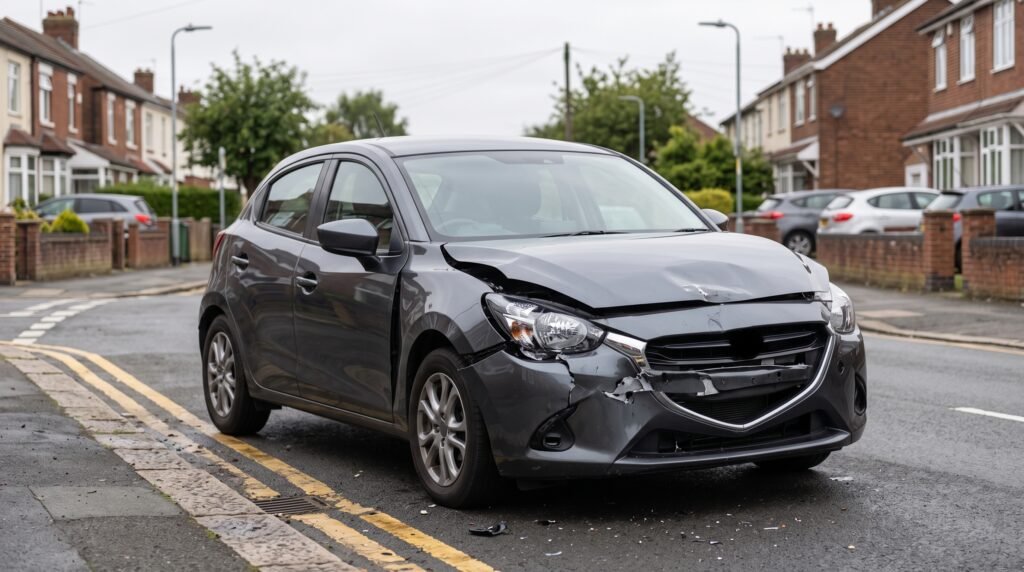
A car accident can leave you dealing with repairs, insurance paperwork, unexpected expenses, and uncertainty about how you will get around. The situation can become even more stressful when your insurer declares your vehicle a write-off. You may wonder how much compensation you will receive, whether you can keep your damaged car, and how long it will take to get a replacement.
In the UK, a car is declared a write-off when an insurer decides that repairing it is not economically viable or that the damage makes it unsuitable for repair or use on the road. The decision does not always mean your vehicle is completely destroyed. Some written-off cars have extensive structural damage, while others may have relatively limited damage that costs too much to repair compared with their market value.
Understanding the write-off process can help you make informed decisions, challenge an unfair valuation, and protect your financial interests. Here is what happens when your car is declared a write-off after an accident, including how insurers calculate compensation and what options are available to you.
What Does It Mean When a Car Is Declared a Write-Off?
What Is an Insurance Write-Off?
An insurance write-off occurs when an insurer determines that a damaged vehicle should not be repaired under the terms of the claim. This may be because repairs would cost more than the car is worth, the vehicle has suffered significant structural damage, or it cannot be repaired safely.
The insurer will generally assess the damage and compare the estimated repair costs with the vehicle’s pre-accident market value. Depending on the circumstances, it may offer a cash settlement instead of paying for repairs.
Why Do Insurance Companies Write Off Cars?
Insurers write off vehicles primarily for financial and safety reasons. Repairing an older car can be uneconomical when replacement parts, labour, paintwork, and specialist repairs add up to a substantial amount.
Safety is another important consideration. Damage to the chassis, crumple zones, airbags, or other critical components may make repairs impractical or unsafe. Insurers must also account for hidden damage that becomes apparent only after a detailed inspection.
Can a Car Be Written Off Even If the Damage Looks Minor?
Yes. A vehicle can be declared a write-off even when the visible damage appears relatively minor. A damaged bumper, for example, may conceal damage to sensors, wiring, cooling components, or other expensive systems.
The vehicle’s age and market value also matter. A repair bill of £2,000 might be manageable for a newer car but uneconomical for an older vehicle worth £2,500. The decision depends on the overall assessment, rather than appearance alone.
What Are the Different Car Write-Off Categories in the UK?
The UK uses four main insurance write-off categories: A, B, S, and N. Categories A and B involve vehicles that must not return to the road, while some Category S and Category N vehicles can be repaired and used again.
Category A: Scrap Only
Category A applies to vehicles so severely damaged that they must be scrapped in their entirety. They cannot be repaired for road use, and their parts cannot be salvaged for reuse. The vehicle must be disposed of through an appropriate authorised facility.
Category B: Break for Parts
Category B vehicles have suffered damage serious enough to prevent the vehicle’s body shell from returning to the road. However, some components may be salvaged for reuse if they are suitable and safe. The damaged shell must be destroyed.
Category S: Structurally Damaged Vehicles
Category S applies to vehicles that have sustained structural damage but can potentially be repaired. This may involve damage to the chassis, crumple zones, or other load-bearing parts.
A Category S vehicle can return to the road after appropriate repairs, but the quality and safety of the work are essential. Buyers should obtain repair records and arrange an independent inspection before purchasing one.
Category N: Non-Structural Damage
Category N covers vehicles with damage that does not affect their structural integrity. Examples may include damaged body panels, electrical systems, or other non-structural components.
Although Category N vehicles may be easier to repair than Category S vehicles, the damage should not be underestimated. Faulty safety systems or poorly completed repairs can still create significant risks.
What Happens After Your Car Is Declared a Write-Off?
How the Insurance Company Assesses Your Vehicle?
After you report the accident, your insurer may arrange for an engineer or vehicle assessor to inspect the car. They will examine the visible damage, consider potential hidden damage, and estimate the cost of repairs.
The insurer then decides whether repairing the vehicle is economical and safe. It should explain the write-off decision, the category assigned to the vehicle, and the settlement being offered.
How Your Car’s Pre-Accident Value Is Calculated
Insurers generally calculate compensation using the vehicle’s market value immediately before the accident. They consider factors such as its make, model, age, mileage, specification, condition, and comparable market prices.
The amount you originally paid for the car is not necessarily the amount you will receive. Similarly, the value stated when you purchased your insurance policy does not automatically determine the settlement, unless your policy provides an agreed-value arrangement.
What Happens to Your Damaged Vehicle?
In most cases, the insurer arranges to collect or dispose of the vehicle once the settlement is agreed. If you want to retain a repairable Category S or N vehicle, tell your insurer before accepting the settlement and confirm the arrangements in writing.
The vehicle’s registration and ownership paperwork must also be handled correctly. You should follow the relevant DVLA requirements and make sure the vehicle’s write-off status is recorded.
How Long Does a Write-Off Claim Take?
There is no fixed timeframe for every write-off claim. Straightforward cases may be settled within a few weeks, while disputes over liability, vehicle value, finance agreements, or damage assessments can take longer.
You can help prevent unnecessary delays by submitting requested documents promptly, keeping records of communications, and asking your insurer for updates if the claim appears to be stalled.
How Much Compensation Can You Get for a Written-Off Car?
How Insurers Calculate Your Car’s Market Value
The settlement is usually based on what your car would reasonably have sold for immediately before the accident. Insurers may consult specialist vehicle valuation guides and comparable vehicles advertised for sale.
For example, if your car’s fair pre-accident market value is £7,000, your settlement may start at that figure. However, your final payment can be affected by your policy excess, any applicable policy terms, outstanding finance, or an agreed deduction if you retain the salvage.
Check the settlement breakdown carefully before accepting it.
What If You Disagree With the Insurance Valuation?
You do not have to accept a valuation without questioning it. If the offer seems too low, gather evidence showing the actual market value of a comparable vehicle.
Look for cars with the same make, model, year, engine, trim, and similar mileage and condition. Send relevant listings to your insurer, along with evidence of recent servicing, optional extras, and any other details that could support a higher valuation.
If the insurer does not resolve the issue, you can make a formal complaint and, if eligible, refer it to the Financial Ombudsman Service.
Can You Claim for Personal Belongings Damaged in the Accident?
You may be able to recover the cost of personal belongings damaged in the accident, depending on the circumstances and the applicable insurance cover.
Items such as a child car seat, phone, glasses, or luggage may need to be claimed separately from the vehicle itself. Check your policy and ask the insurer what evidence it requires. Photographs, receipts, and proof of the item’s value can support your claim.
If another driver was responsible, you may be able to seek reasonable, evidenced losses from their insurer, subject to the applicable rules and circumstances.
Can You Keep Your Car After It Is Written Off?
Keeping a Category S Vehicle
You may be able to buy back a Category S vehicle from your insurer after agreeing a settlement. The insurer will generally deduct the vehicle’s salvage value from the amount it pays you.
You must then arrange suitable repairs and ensure the car is roadworthy before using it. Category S status remains part of the vehicle’s history, even after repairs.
Keeping a Category N Vehicle
Category N vehicles may also be retained and repaired. Although their damage is classified as non-structural, electrical faults, damaged safety equipment, and other hidden problems still require proper attention.
What to Consider Before Buying Back Your Written-Off Car
Before deciding to retain a written-off vehicle, compare the buyback price and repair costs with the cost of buying a replacement. Consider the cost of parts, labour, inspections, and any unexpected faults.
You should also remember that a previously written-off car may be harder to sell and could be worth less than a comparable vehicle with no write-off history. Ask your insurer about the salvage deduction and obtain a professional repair assessment before making a decision.
Can You Get a Replacement Car After a Write-Off?
Replacement Vehicles After a Non-Fault Accident
If another driver caused the accident, you may be entitled to claim reasonable replacement transport costs from their insurer. However, this does not mean you automatically qualify for a free replacement car in every situation.
Your options may include a courtesy car under your own policy or a replacement vehicle arranged through the at-fault driver’s insurer. Check when the vehicle must be returned, particularly if your original car has been declared a total loss.
Can You Get a Credit Hire Vehicle?
Credit hire providers arrange temporary vehicles after accidents, often without requiring an immediate upfront payment. The hire cost is usually recovered from the at-fault driver’s insurer if the claim is accepted.
However, credit hire is not automatically free or risk-free. You may be responsible for costs if the claim is disputed or the provider’s terms make you liable. Before signing, understand the charges, the circumstances in which you could be asked to pay, and whether a cheaper alternative is available.
What Happens If You Need Your Car for Work?
If you depend on your car for commuting or earning a living, losing access to it can create additional difficulties. Explain your circumstances to the insurer and ask about suitable replacement transport.
Keep receipts for reasonable alternative travel expenses, such as public transport or taxis. If you need a vehicle for work, document why it is necessary and whether other practical options are available. Any reimbursement will depend on your policy, liability, and the reasonableness of the costs.
What Happens If the Other Driver Was at Fault?
Making a Non-Fault Car Accident Claim
If another driver caused the accident, you can usually pursue a claim through their insurer. You may also claim through your own comprehensive insurance and let your insurer seek recovery from the responsible party.
Even if the other driver appears to be at fault, liability may need to be investigated. The insurer will consider the accident circumstances and the available evidence before deciding what it will pay.
What Costs May Be Recoverable?
Depending on the circumstances, recoverable losses may include:
- The reasonable pre-accident market value of your vehicle.
- Necessary and reasonable replacement transport costs.
- Recovery and storage charges.
- Damage to personal belongings.
- Other accident-related expenses that can be properly evidenced.
Not every expense is automatically recoverable. Keep receipts and discuss each claimed cost with the insurer before assuming it will be reimbursed.
What Evidence Should You Keep?
Good documentation can make a significant difference to your claim. Keep photographs of the accident scene and vehicle damage, the other driver’s details, witness information, and any available dashcam footage.
Retain repair estimates, the engineer’s report, insurance correspondence, receipts for additional expenses, and evidence of comparable vehicle prices. Having these records organised makes it easier to challenge a disputed valuation or explain the losses you have incurred.
What Should You Do If You Disagree With the Write-Off Decision?
Requesting a Review of the Vehicle Assessment
If you believe your car could be repaired safely and economically, ask the insurer to explain its decision. Request the engineer’s report, estimated repair costs, and details of the factors used to determine whether the vehicle should be written off.
You can obtain an independent assessment if you believe the damage or repair costs have been misunderstood. However, an alternative opinion does not guarantee that the insurer will change its decision.
Challenging an Unfair Valuation
If the write-off decision is reasonable but the compensation is too low, focus your challenge on the vehicle’s market value.
Provide comparable listings and evidence of the car’s condition, mileage, specification, and maintenance history. Ask the insurer to explain any deductions, including those for pre-existing damage or salvage retention.
When to Seek Independent Advice
If your insurer rejects your complaint, you can usually refer the matter to the Financial Ombudsman Service after receiving its final response or if it has not responded within the applicable eight-week period. The service can assess eligible complaints about unfair valuations and other insurance disputes.
For complicated cases involving disputed liability, substantial losses, or legal proceedings, independent legal advice may also be helpful.
Frequently Asked Questions
- Can I refuse to have my car written off?
You can question the insurer’s decision and request a review, but you cannot necessarily insist that it repairs the vehicle. The insurer will consider the policy terms, repair costs, and safety implications.
- How long does an insurance write-off claim take in the UK?
There is no universal deadline. A straightforward claim may take a few weeks, while valuation disputes, liability investigations, and finance arrangements can extend the process.
- Can I drive my car after it has been declared a write-off?
You should not assume that the car is safe to drive simply because it remains operational. Category S and N vehicles may return to the road after appropriate repairs and confirmation that they are roadworthy. Category A and B vehicles cannot return to road use.
- Does a car write-off affect my insurance?
Yes, it can affect future insurance. A repaired write-off may be more expensive or difficult to insure, depending on the insurer, the vehicle’s category, and its repair history. You should disclose its status when required and check the terms before purchasing a policy.
- Can I claim for a replacement vehicle after a non-fault accident?
You may be able to recover reasonable replacement vehicle costs from the at-fault driver’s insurer. Eligibility depends on the circumstances, the need for a replacement, and whether the costs are reasonable.
- Can I buy back my written-off car?
Yes, you can generally ask to retain a Category S or N vehicle. The insurer may deduct its salvage value from your settlement. Category A and B vehicles cannot be returned to road use.
Conclusion
Having your car declared a write-off after an accident can be stressful, but understanding the write-off categories, insurance settlement process, and your rights can help you make informed decisions. Review your insurer’s valuation carefully, consider repair costs and safety implications if you want to keep the vehicle, and keep evidence of any accident-related expenses. By understanding your options and ensuring the settlement is fair, you can navigate the process with greater confidence and minimise financial losses.